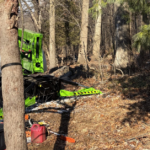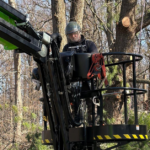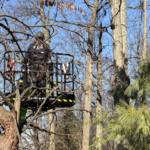
We provide brush hogging services in Cumberland County, PA to clear overgrown fields, lots, and large areas of dense vegetation. This service is ideal for managing thick brush, tall grass, and invasive growth that standard mowing can’t handle. Our equipment allows us to quickly restore access, improve land usability, and keep your property under control.
Call now for your free estimate: (717) 493-6900
Overgrown Land Is Costing You More Than You Think
These are the most common brush hogging situations we handle across Cumberland County.
- Overgrown pastures and hay fields dominated by brush, briars, and woody growth that have not been maintained in years
- Fence line clearing where unchecked growth has consumed the fence and made boundary lines unidentifiable
- Rural residential lots where seasonal growth has taken over areas that should be accessible and usable
- Access road and driveway clearing on rural Adams County properties where encroaching brush is narrowing or closing off vehicle access
- Property preparation before fencing, seeding, or agricultural use where existing brush and scrub must be cleared first
- Estate and investment property maintenance where absentee ownership has allowed vegetation to advance unchecked
- Right-of-way clearing along property edges and utility corridors where vegetation management is the landowner’s responsibility
Signs Your Property Needs Brush Hogging Now
- Fields that were open two or three seasons ago are now chest-high in brush and briars
- Fence lines are no longer visible from the field edge and posts are being consumed by woody growth
- Vehicle access routes have narrowed to the point where passage is difficult or impossible
- Multiflora rose, autumn olive, or other invasive shrubs are spreading aggressively across open ground
- Saplings and woody stems over an inch in diameter are establishing across what should be open pasture or lawn
- Neighbors or municipal authorities have flagged overgrown vegetation on your property
Brush Hogging or Land Clearing?
These are related but different services and understanding which one your property needs saves time and money.
Brush hogging uses a heavy-duty rotary cutter mounted on a tractor to mow down tall grass, brush, briars, and small woody growth up to approximately two to three inches in stem diameter. It is fast, efficient, and ideal for maintaining or reclaiming open fields, pastures, and right-of-ways. It does not remove stumps or large trees and is not designed for heavily wooded areas.
Properties with significant tree coverage or large woody stems require our land clearing service rather than brush hogging alone. Many properties across Cumberland County need both. An overgrown field with scattered saplings and small trees may require brush hogging across the open areas combined with targeted tree removal and stump grinding along the edges. We assess the full property during our site visit and recommend the right combination of services for your specific situation.
How We Handle Brush Hogging in Cumberland County
Step 1: Free On-Site Assessment. The owner walks the property, evaluates vegetation density, identifies obstacles including rocks, stumps, and debris that could damage equipment, and determines the correct approach for the job.
Step 2: Written Quote. Clear written estimate before scheduling. What we quote is what you pay.
Step 3: Obstacle Identification and Preparation. Hidden rocks, old fence posts, wire, and buried debris are among the most common equipment hazards on neglected rural properties across Adams County. We identify and address these before cutting begins.
Step 4: Brush Hogging. The rotary cutter works through the designated area systematically. We adjust cutting speed based on vegetation density to ensure clean results without leaving uncut strips or bogging down in thick growth.
Step 5: Follow-Up Assessment. For heavily overgrown areas, a second pass at a lower cutting height may be recommended to achieve a clean finish and prevent rapid regrowth from thick brush stems.
Step 6: Site Walkthrough. The owner reviews the completed work with you before closing out the job.
Your land should work for you, not against you. Call now: (717) 493-6900
Get an Honest Price Before Any Work Begins
There is no flat rate for brush hogging without assessing the property first. These are the factors that affect every estimate.
- Acreage: Total area to be cut is the primary cost driver on every brush hogging job
- Vegetation density and stem size: Light grass and weeds cut faster than dense stands of briars, multiflora rose, and woody brush
- Terrain and slope: Rolling grades and steep hillsides common across rural Adams County affect equipment operation and cutting speed
- Hidden obstacles: Properties with rocks, buried debris, old wire, and fence remnants require slower, more careful operation to protect equipment
- Number of passes required: Severely overgrown areas with thick brush may require multiple passes to achieve a clean result
- Access to the property: Gate width, soft ground, and wet low-lying areas affect equipment access and setup time
Call for your free estimate: (717) 493-6900
Why Brush Hogging in Cumberland County Demands Local Knowledge
Cumberland County, PA has specific brush hogging challenges due to its climate, soil, and invasive plant growth. Overgrown properties in this area often require more than a one-time cut to stay under control.
Multiflora rose is one of the most common invasive shrubs across fields, fence lines, and wooded edges in Cumberland County. It grows in thick, dense patches, spreads quickly, and regrows from the root after cutting. Brush hogging helps clear the top growth, but follow-up cuts are usually needed to fully manage it over time.
Autumn olive is another widespread invasive species in the area and behaves in a similar way. Both are recognized as invasive by the Pennsylvania Department of Agriculture, and their presence typically means ongoing maintenance is required rather than a one-time service.
Many properties in Cumberland County also have clay-heavy soil and low-lying areas that stay wet, especially after rain. These conditions can limit equipment access at certain times of the year, so timing the work properly is important to avoid ground damage and get the best results.
Why Property Owners Across Cumberland County Choose Mason Dixon Tree & Land Experts
- Owner on every job assessing the property and overseeing the work
- Fully licensed and insured with documentation available on request
- Heavy-duty rotary cutter equipment matched to vegetation density and terrain
- Honest assessment of whether brush hogging alone is sufficient or whether land clearing is also needed
- No-surprise pricing guarantee on every written quote
- Clean, consistent results on every property
- 15% off any service over $3,000 for new customers
- $100 off same-day hire for new customers
Frequently Asked Questions About Brush Hogging
How much does brush hogging cost in Cumberland County?
Cost depends on acreage, vegetation density, terrain, and the number of passes required. There is no accurate flat rate without assessing the property first. We provide free on-site estimates with a written quote before any work is scheduled.
What is the difference between brush hogging and mowing?
Standard mowing equipment handles grass and light vegetation on maintained ground. Brush hogging uses a heavy-duty rotary cutter capable of handling tall grass, dense briars, brush, and woody stems up to two to three inches in diameter on rough, uneven, and overgrown ground that standard mowing equipment cannot manage.
How often does a field or pasture need to be brush hogged?
Most properties in Cumberland County benefit from one to two brush hogging sessions per year depending on vegetation growth rate and species composition. Properties with established invasive species like multiflora rose typically need more frequent management to progressively suppress regrowth.
Will brush hogging kill the brush permanently?
A single brush hogging pass removes above-ground growth but does not kill the root system of established shrubs and invasive species. Repeated cutting over multiple seasons progressively weakens most species. Combining cutting with stem treatment on invasive species produces more durable results on heavily infested properties.
Can you brush hog a property with scattered trees and stumps?
Yes, with proper assessment beforehand. Scattered trees, stumps, and rocks are identified during the site walkthrough and the cutting approach is adjusted to work around them safely. Properties with heavy tree coverage may need land clearing in addition to brush hogging.
What is the best time of year to brush hog in Pennsylvania?
Late summer through fall is generally the best window for brush hogging in Pennsylvania. Vegetation has completed its primary growth cycle and cutting at this time reduces the energy available for regrowth the following season. Spring cutting is also effective for maintaining previously cleared properties.
Can you brush hog wet or low-lying areas?
It depends on current ground conditions. Saturated ground in low-lying areas common across Adams County can create equipment access and ground disturbance issues. We assess drainage conditions during the site visit and advise on the best timing for properties with known wet areas.
Do you provide brush hogging for large acreage properties?
Yes. We handle brush hogging for residential lots, rural parcels, and larger agricultural properties across Cumberland County. Acreage and vegetation conditions are assessed during the site visit and priced accordingly.
Professional Brush Hogging Services in Cumberland County
Every season overgrown fields, fence lines, and access routes are left unmanaged, the cost to reclaim the land increases. Mason Dixon Tree and Land Experts serves property owners across Cumberland County with professional brush hogging that reclaims your land efficiently and delivers clean, consistent results.
The owner shows up. The quote is the price. The property is clean when we leave.
Call now for your free estimate: (717) 493-6900